
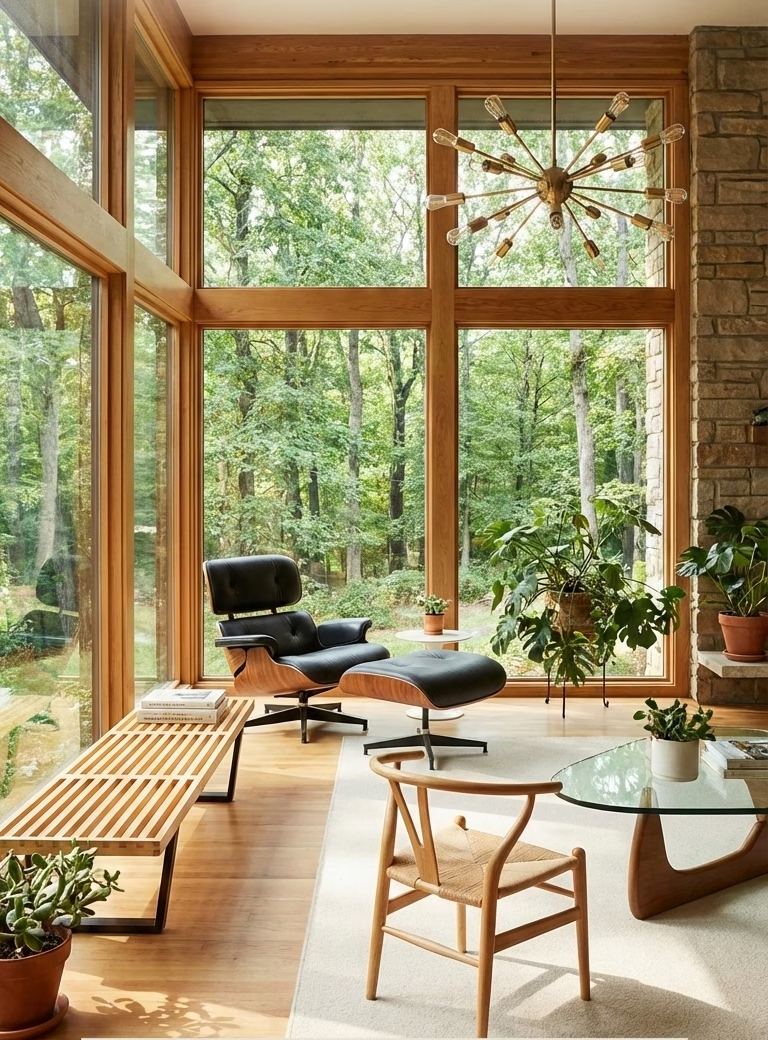
The Timeless Appeal: Your Ultimate Guide to a Mid-Century Modern Living Room
Close your eyes and picture the quintessential stylish living room. Chances are, you’re picturing something straight out of the 1950s or 60s. Perhaps it’s the sleek silhouette of a low-slung sofa, the warm embrace of walnut wood, or the cheerful pop of a mustard-yellow armchair.
Welcome to the enduring world of Mid-Century Modern (MCM) design.
Emerging in the post-WWII era (roughly 1945 to 1969), this movement wasn’t just about style; it was a philosophy. It was about optimism, embracing new materials, and the belief that good design should be accessible to everyone. Today, decades later, MCM remains the gold standard for cool, comfortable, and functional living.
If you are looking to transform your living area into a space that feels sophisticated yet inviting, this guide will walk you through every element required to master the Mid-Century Modern aesthetic.
1. The Core Philosophy: Form Follows FunctionBefore buying a single piece of furniture, it’s crucial to understand the MCM mindset. The movement rebelled against the stuffy, cluttered interiors of previous eras.
The guiding principle is “form follows function.” Every piece in your living room should serve a purpose. There are no unnecessary flourishes or heavy ornamentation. The beauty lies in the structure of the object itself—the curve of a chair leg or the grain of the wood.
Furthermore, MCM design seeks to blur the lines between indoors and outdoors. Large windows, natural materials, and plenty of greenery are essential to grounding the space.
2. Setting the Stage: Architectural BonesTo create an authentic feel, you need to look at the “shell” of your room—the floors, walls, and windows.
Flooring: Forget wall-to-wall carpeting. MCM celebrates natural materials. Hardwood floors, particularly in warm tones like teak, walnut, or oak, are ideal. For a bolder, more authentic 1950s look, consider terrazzo flooring with its speckled aggregate pattern. Walls: White or off-white paint is the standard canvas, allowing furniture to pop. However, accent walls are very common. Think warm wood paneling (slatted wood walls are currently very trendy) or exposed brick painted white. Window Treatments: Keep them minimal to maximize natural light. Airy linen sheers or simple roller shades are preferable to heavy drapery. 3. The Stars of the Show: Furniture SelectionThis is where the magic happens. MCM furniture is distinctive, combining organic curves with geometric simplicity.
The Sofa: Your sofa should be low-profile with clean, straight lines. The most recognizable feature of MCM seating is the tapered leg—wooden legs that are thicker at the top and thinner at the bottom, set at a slight angle. This design lifts the furniture off the floor, making the room feel lighter and more spacious.
Look for upholstery in textured tweeds, flat-woven fabrics, or classic leather.
The Accent Chair: Here is your chance to introduce iconic shapes. The Eames Lounge Chair is the holy grail, but there are countless other recognizable forms. Look for chairs with sculptural wooden frames, molded plywood, or molded plastic shells that cradle the body. A pop of velvet on a chair is a great way to add luxury.
The Credenza (Sideboard): No MCM living room is complete without a long, low sideboard, often referred to as a credenza. Made of teak or walnut, these pieces are functional storage powerhouses that also serve as a display surface for decor, art, and lamps. They anchor a wall beautifully.
4. The Color Palette: Earthy Grounds and Vibrant PopsThe MCM color palette is one of its most defining features. It’s a delicate balance of muted, earthy tones and bold, saturated accents.
Primary Palette: The foundation is built on neutral tones—whites, creams, charcoal greys, and, crucially, the warm browns of natural wood. Secondary Palette: Introduce warmer, grounded colors like olive green, burnt orange, mustard yellow, and terracotta. Accent Colors: Don’t be afraid of a “pop.” Turquoise, teal, chartreuse, or even a vibrant red can be used sparingly in pillows, art, or a single statement chair to bring energy to the room. 5. Lighting: Sculptural StatementsIn Mid-Century design, lighting is never just about illumination; it’s about art. Lamps and fixtures from this era are often treated as sculptural elements.
Ceiling Fixtures: The most iconic example is the Sputnik chandelier. Resembling a starburst or a satellite, its multiple arms create a dramatic focal point in the center of the room. Floor Lamps: Look for tall, arching lamps with heavy bases (like the Arco lamp) that can sweep over a sofa or chair, providing task lighting without needing a ceiling mount. Tripod floor lamps with simple drum shades are another classic choice. Table Lamps: Mushroom-shaped lamps or lamps with tall, slender ceramic bases in bold colors are perfect for side tables. 6. Textiles and Textures: Adding WarmthBecause MCM furniture lines are so clean, you need texture to prevent the room from feeling cold or clinical.
Rugs: A large area rug is essential for defining the seating area, especially on wood floors. Look for geometric patterns, abstract shapes, or high-pile “shag” rugs for that authentic 70s-leaning vibe.
Fabrics: Bouclé (a looped, curly yarn fabric) is having a massive resurgence right now and is perfectly MCM. Velvet adds richness, while tweed and wool feel grounded and durable.
7. Accessories and Decor: The Finishing TouchesIn MCM design, accessories should be curatorial, not cluttered. Each piece should feel intentional.
Wall Decor: The sunburst mirror is perhaps the most cliché yet beloved MCM accessory. Alternatively, consider large-scale abstract expressionist art or metal wall sculptures. Greenery: Bring the outside in with large, sculptural houseplants. A Fiddle Leaf Fig, a large Monstera, or a Snake Plant in a simple ceramic planter (often on a wooden stand) is practically a requirement. Ceramics: Look for vases and bowls with organic shapes and interesting glazes in earthy tones.


